We were asked to do something simple: look
for a video game, play and analyze it using critical theory. The way I understand
critical theory, though completely watered down and maybe a little unreliable
definition, is “seeing something that may
actually be in violation of equal rights but disregarded as a social norm.”
I haven’t played video games in a while. The most recent game that I played, however, can be as subject to critical
theory as any other RPG that I’ve played in my 20 years of existence: Starting
female characters. Why do they always have to be so naked/revealing. It started
out as early as Tantra Online, which I played in gradeschool early 2003.


I
figured maybe it was just the setting of the game. ( I couldn’t find actual
game play screen shots but trust me, it’s more or less the same.)
But years later, I played torchlight.

And, recently,
Diablo 3.

Curiosity just gets to me how, in moments when girl characters are
brought into play early on, they almost always have to show a lot of skin. Not
that there’s anything particularly wrong with it, but I just feel that they
shouldn’t have to. A simple “skin wrap” would do, but the results, more often
than not result to cleavage and or crotch shots, or just legs. Exaggerated amounts of skin and "strategically cut clothes".
Moving on to critical theory, it’s pretty simple. It’s a
social norm, by now, to find the clothes of female characters as such. But, as
mentioned in Anita Sarkeesian’s controversial video, it shouldn't have to be that
way. There’s more to “female gender” than the usual physical exaggerations. There's more than the usual markers.
The way society views
women can be seen in the simple “social” parts of every day media whether it be
in video games, movies, comics and even commercials. It’s more than "just an
old norm”. Each time we say “it’s ok” for women to be portrayed as such, we’re giving society, and the next
generation the thumbs up to agree that girls fall into that definition, that
stereotype. This is actually discussed in Anita’s video (link below) where she
talks about how video game producers have long since given up trying to find
new ways to portray femininity. My point, isn’t that there’s anything
particularly wrong with how the characters are dressed. It’s just that it’s
become a norm that shouldn’t necessarily (or automatically) follow.
I do have to agree, however that the latter part of the game
does go against the stereotype. Armor and gameplay later on doesn’t change much
between male or female characters.
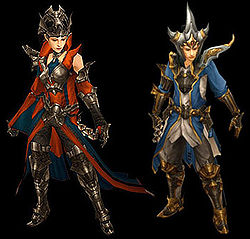
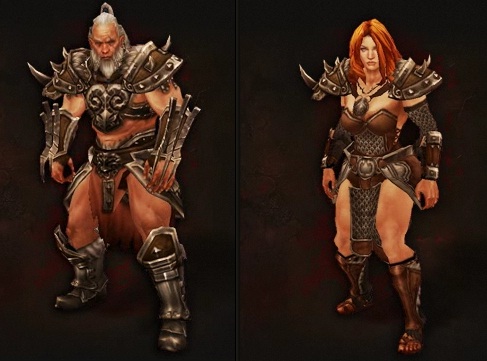
But still, if that's the case, is it too much to ask for game developers to start their characters with less "strategically cut clothes"? I'm just saying.
http://www.youtube.com/watch?v=eYqYLfm1rWA&list=PLn4ob_5_ttEaA_vc8F3fjzE62esf9yP61&feature=c4-overview-vl
http://www.youtube.com/watch?v=eYqYLfm1rWA&list=PLn4ob_5_ttEaA_vc8F3fjzE62esf9yP61&feature=c4-overview-vl

No comments:
Post a Comment